
Solar Panel Kits: Best Off-Grid & Hybrid Systems with Prices (2025)
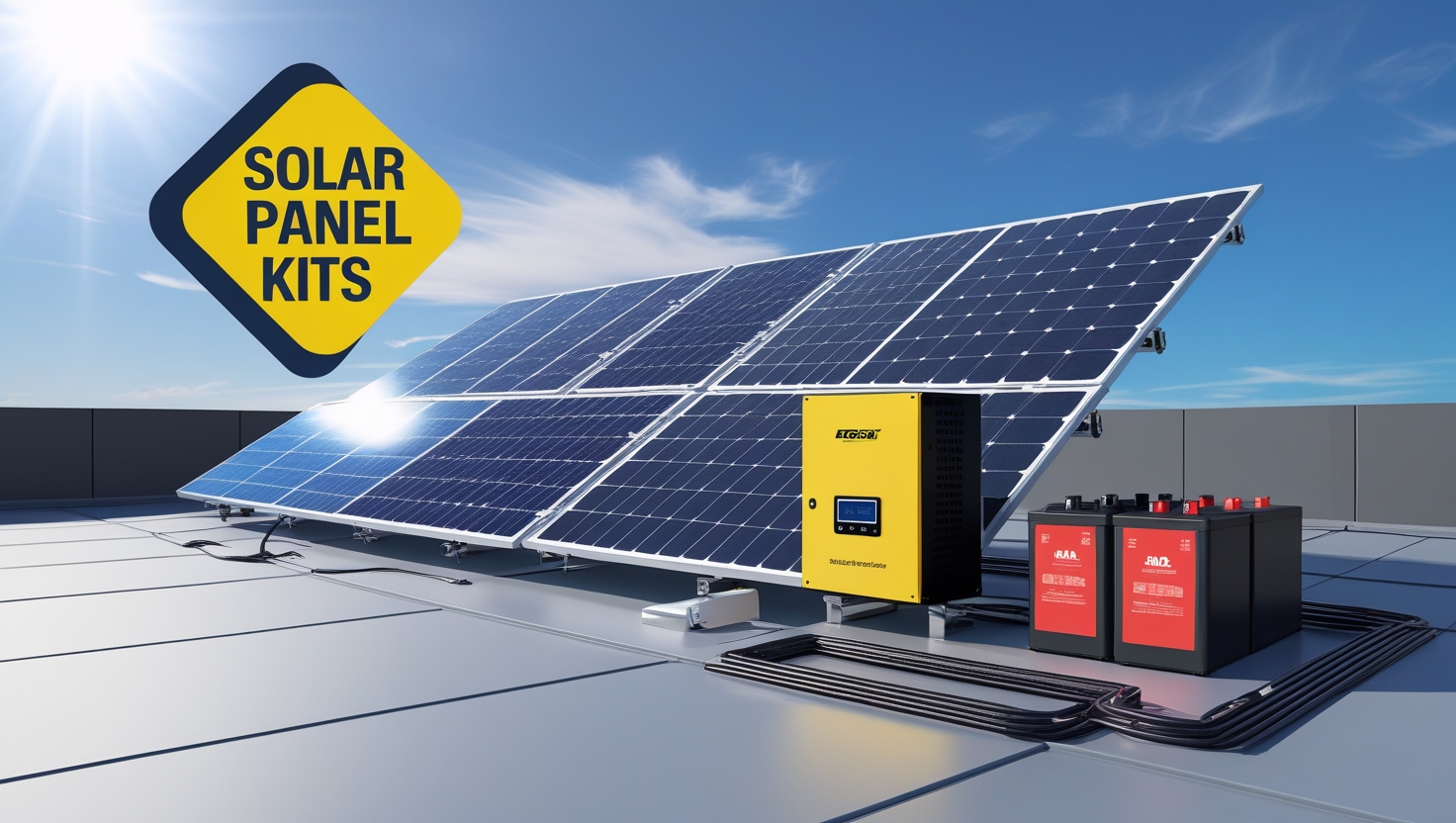
Solar Panel Kits are changing how companies and homes get clean, renewable energy. If you want to lower your energy bills, go off the grid, or make an environmentally friendly upgrade, these all-in-one kits are a quick and cheap way. Solar panel kits eliminate the guesswork of installing solar energy systems by providing everything you need, including batteries, mounting tools, solar panels, and inverters.
People today are increasingly aware of the amount of energy they use, so more and more are purchasing solar panel kits to help the environment and save money in the long run. There are off-grid, hybrid, and grid-tied systems, so there is a kit to suit every need and budget. We’ll examine the best solar panel kits, compare their features and prices, and help you select the ideal system for your 2025 energy goals.
What’s Included in a Solar Panel Kit?
The following essential parts are included in most solar panel kits:
| Component | Description |
|---|---|
| Solar Panels | The central part that turns light into power. |
| Inverter | Changes DC power from panels to AC power that home products can use. |
| Charge Controller | Controls power and keeps batteries from getting too charged. |
| Battery Bank | It saves energy that can be used later and is used in both off-grid and mixed systems. |
| Mounting Hardware | Racks, clamps, and screws to put panels on the ground or top of your house. |
| Wiring & Cables | Safely and effectively connect all the parts. |
| User Manual | To make setting up and knowing the system easy. |
Top 10 Best Solar Panel Kits with Prices
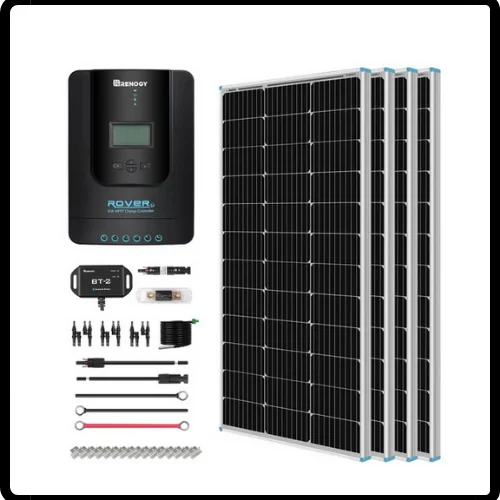
Renogy 400W 12V Off-Grid Solar Kit
From: $579.99
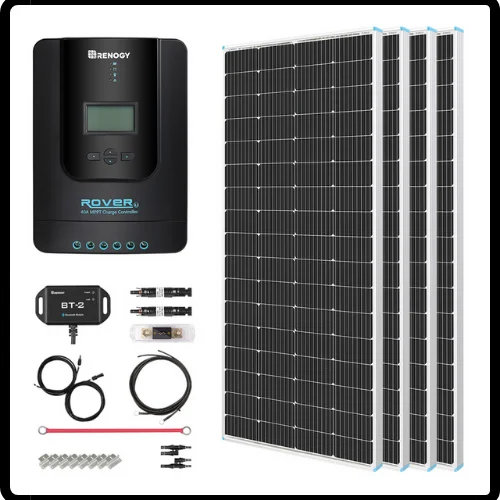
Renogy 800W 12V General Off-Grid Kit
From: $1,199.99
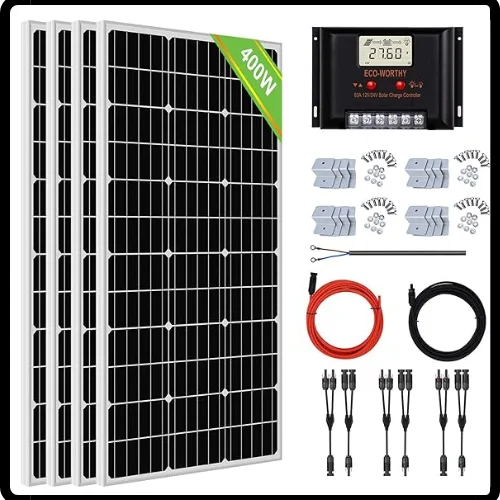
ECO-WORTHY 400W 24V Solar Panel Kit
From: $526.77
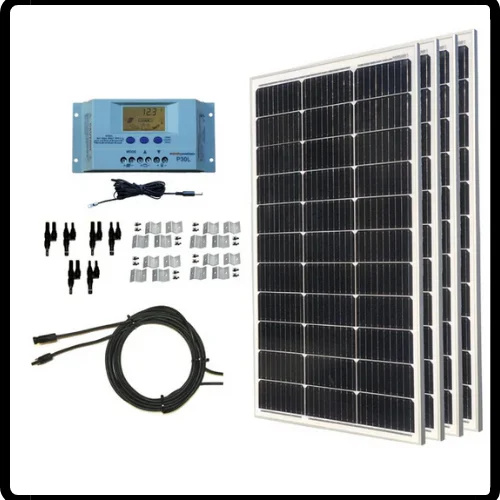
WindyNation 400W Complete Solar Kit
From: $659.00
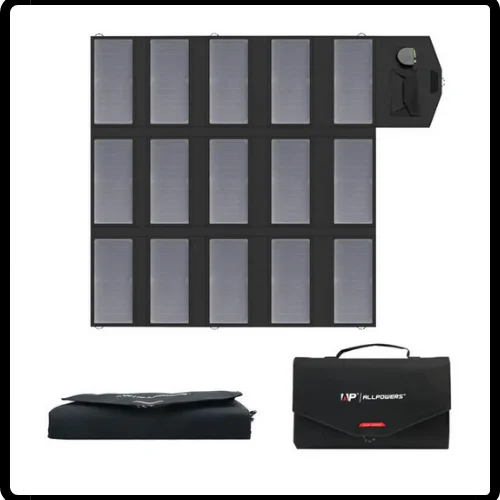
ALLPOWERS 100W Foldable Solar Panel Kit
From: $159.00
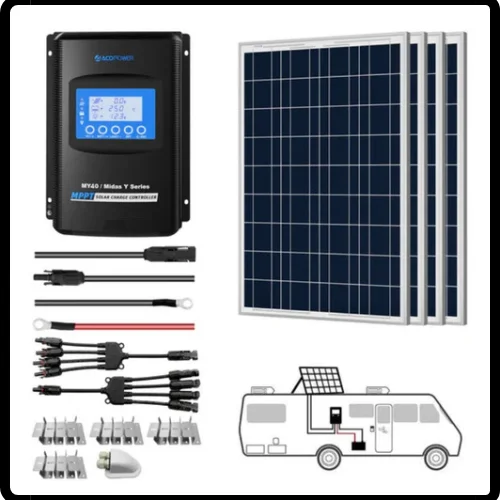
ACOPOWER 400W Kit with Bluetooth Controller
From: $632.99
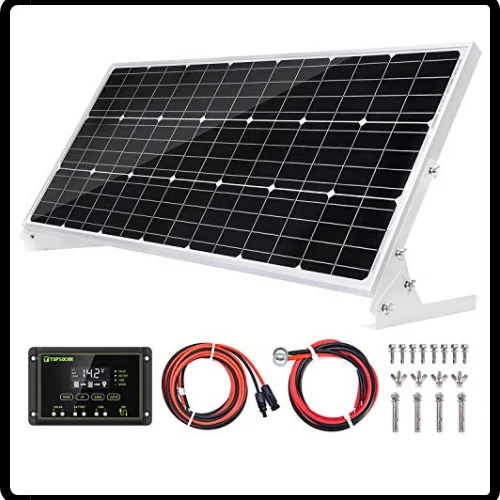
Topsolar 100W 12V Solar Kit
From: $164.68
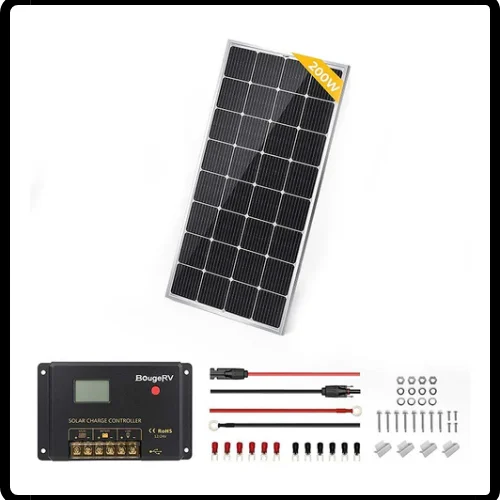
BougeRV 200W Solar Kit
From: $375.99
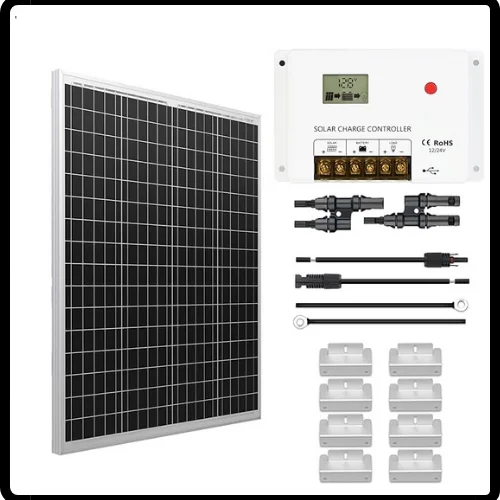
HQST 100W 12V Polycrystalline Kit
From: $164.99
| No. | Solar Kit Name | Wattage | Components Included | Prices | Ideal For |
|---|---|---|---|---|---|
| 1 | Renogy 400W 12V Off-Grid Solar Kit | 400W | 4×100W panels, 40A charge controller, cables, brackets | $579.99 | RVs, cabins |
| 2 | Renogy 800W 12V General Off-Grid Kit | 800W | 8×100W panels, MPPT controller, wiring kit | $1,199.99 | Off-grid homes |
| 3 | ECO-WORTHY 400W 24V Solar Panel Kit | 400W | 4×100W panels, 60A charge controller, mounting Z-brackets | $526.77 | Backup power |
| 4 | WindyNation 400W Complete Solar Kit | 400W | 4×100W panels, 30A controller, inverter, cabling | $659.00 | RVs, small cabins |
| 5 | ALLPOWERS 100W Solar Panel Kit | 100W | Foldable panel, controller, alligator clips | $159.00 | Camping, portable use |
| 6 | ACOPOWER 400W Kit with Bluetooth Controller | 400W | Panels, 40A MPPT controller, mobile app monitor | $632.99 | RVs & mobile homes |
| 7 | Topsolar 100W 12V Solar Kit | 100W | Panel, 20A charge controller, cables, brackets | $164.68 | Beginners, RV |
| 8 | BougeRV 200W Solar Kit | 200W | 2×100W panels, 30A PWM controller, extension cables | $375.99 | Vans, boats |
| 9 | Jackery SolarSaga 200W Kit | 200W | 2×100W foldable panels, no controller | $599.00 | Use with Jackery power station |
| 10 | HQST 100W 12V Polycrystalline Kit | 100W | Panel, 10A controller, Z-mounting brackets | $164.99 | Entry-level, small projects |
Types of Solar Panel Kits
Depending on your energy needs, here are the most common types of kits:
1. Grid-Tied Solar Kits
- Connected to your utility grid.
- Reduces monthly electricity bills.
- Often eligible for tax credits and rebates.
2. Off-Grid Solar Kits
- Ideal for remote areas without access to a grid.
- Includes batteries for energy storage.
- Perfect for cabins, farms, and rural properties.
3. Hybrid Solar Kits
- Combines grid-tied and off-grid systems.
- Offers flexibility: use solar, grid, and battery.
4. Portable Solar Kits
- Lightweight and mobile.
- Great for camping, RVs, or emergencies.
- Plug-and-play setup.
Benefits of Using Solar Panel Kits
Using solar panel kits has many benefits, especially for people who want to do it themselves or buy solar panels for the first time:
- ✅ Easy Setup: Pre-designed kits reduce confusion for beginners.
- ✅ Cost-Effective: Buying bundled kits is often more cost-effective than purchasing individual parts.
- ✅ Eco-Friendly: Reduce your carbon footprint.
- ✅ Energy Independence: This is particularly beneficial in areas with unreliable power.
- ✅ Scalable: Start small and expand as your needs grow.
Best Types of Solar Panel Kits for Every Need
There’s a solar panel kit for everyone, whether you want to power an RV, build a house off the grid, or do it yourself to save money on energy costs. Here are a few of the most popular solar panel kits right now, each designed for a different use.
RV Solar Panel Kit
An RV solar panel kit is made to work with campers, vans, and travel trailers. These kits typically include charge controllers, flexible or small panels, and easy-to-install options. They give you steady power without a noisy generator, so they’re great for boondocking or camping away from the power grid.
Camper Solar Panel Kit
Using camper solar panel kits with smaller camping gear, like pop-up tents or teardrop trailers. They’re easy to set up and take down because they’re small and light. Most kits have everything you need to power lights, small tools, and charging devices while you’re away from civilization.
DIY Solar Panel Kits
DIY solar panel kits are ideal for individuals who want to start from scratch and build their solar system. Each kit includes parts such as solar panels, charge controllers, inverters, and wiring. It’s ideal for individuals who prefer manual labor and want to save on installation costs.
Off-Grid Solar Panel Kits
Off-grid solar panel kits are made so you don’t need to connect to the power grid. They have batteries, solar panels with a significant amount of power, and everything you need to store and utilize energy. These are great for cabins, homes in remote areas, or emergency preparedness kits because they provide reliable power in places without a utility link.
Solar Panel Mounting Kit
A solar panel mounting kit contains all the necessary hardware to safely install panels on RVs, roofs, or the ground. These kits ensure your solar setup stays safe and is positioned at the optimal angle for maximum sun exposure, whether you’re installing panels on a house or a car.
How to Install a Solar Panel Kit (Step-by-Step Guide)
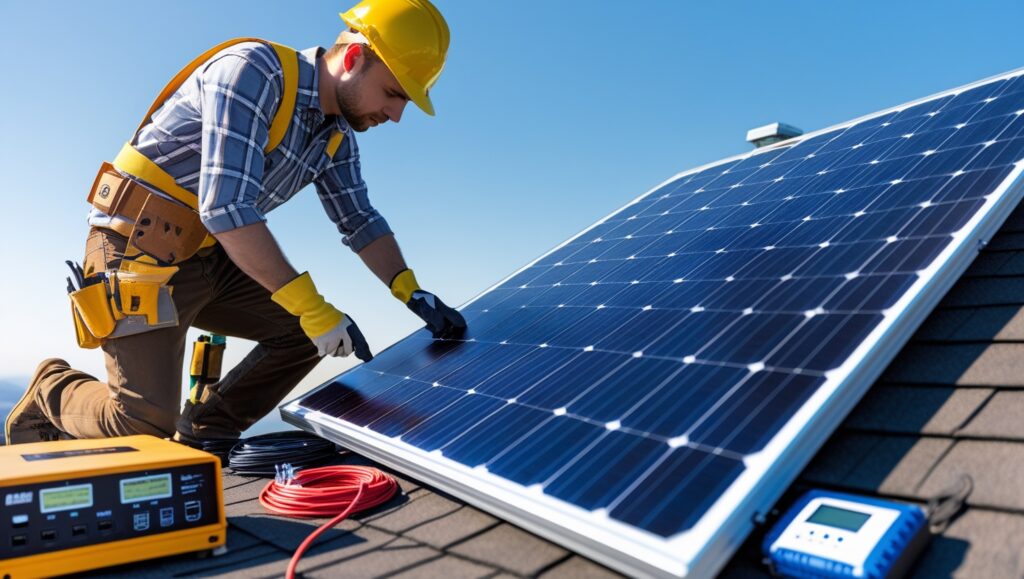
By installing your solar panel kit, you can save significantly on labor costs and have complete control over your off-grid setup. This straightforward, step-by-step plan will guide you through the process.
✅ Tools & Materials Needed:
- Solar panel kit (panels, charge controller, inverter, cables)
- Battery (for off-grid setup)
- Mounting brackets or rails
- Drill and screws
- Wrench set
- Wire cutter/stripper
- Multimeter
- Safety gear (gloves, safety glasses)
Step 1: Choose the Right Location
Find a location that gets the most sun (south-facing is best). Mounts on roofs, RV tops, or the ground are best. Make sure there is no shade when the sun is at its strongest.
Step 2: Install the Mounting System
Place the mounting bars or brackets on the desired surface. When installing something on a roof, be cautious when drilling and seal the holes to prevent leaks.
💡 Tip: To get the most out of your tilt angle, set it to the same angle as your location.
Step 3: Secure the Solar Panels
Place the panels on the rails or brackets. Ensure all bolts are tightened to keep them in place. Ensure they are positioned and tilted correctly.
Step 4: Connect the Wiring
Connect the panels using MC4 connectors:
- Series for higher voltage
- Parallel for higher current
For safety, run lines neatly and use conduit where it’s needed.
Step 5: Install the Charge Controller
The charging device should be placed close to the battery bank. Join the wires from the solar panel to the input terminals. Then, join the wires from the battery to the output terminals.
Step 6: Connect the Battery
Use the correct diameter wire to connect the deep cycle or lithium battery to the charge controller. Before connecting the solar panels, you should always connect the battery.
Step 7: Install the Inverter (If Needed)
Connect an inverter to the battery if you want to run AC appliances. For sensitive equipment, use an inverter that works with pure sine waves.
Step 8: Test the System
- Check the voltage level with a multimeter.
- Check to see if the charging device works.
- Make sure the battery is charging correctly.
- Ensure the inverter can power your devices.
Safety Tips:
- Turn off all system components before wiring
- Use fuses/breakers for protection
- Avoid working in wet or humid conditions
- Consult a professional for large or grid-tied systems
Here is a list of the steps typically involved in installing solar panels on a home. Check out our complete Solar Panel Installation guide for a more in-depth look.
🌞 Enjoy Your Solar Power!
Now that your solar panel kit is set up, you can make clean, green energy. Great for RVs, cabins, and life off the grid.